12 May 2025
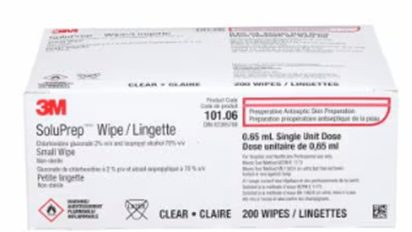
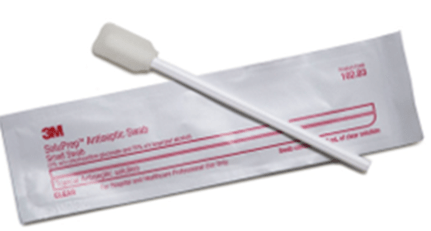
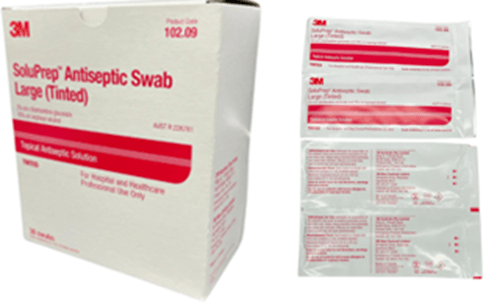
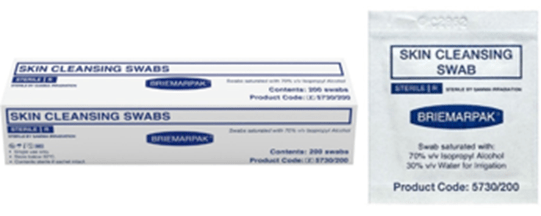
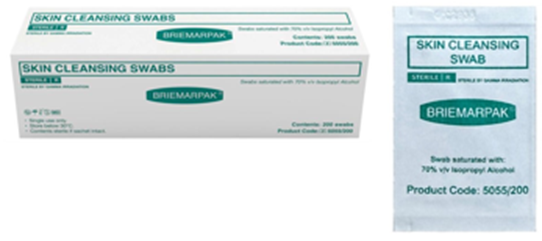
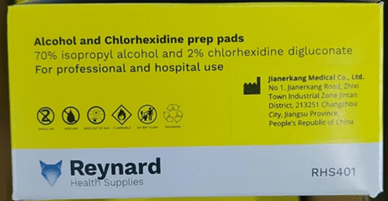
- Alternative products – Public health services will be supplied alternative products by HealthShare Victoria. Although Reynard products containing alcohol have been released from quarantine, their availability remains limited due to the relocation of the manufacturing site. Please see the resupply timelines for affected product ranges and the alternative products sections.
- Reporting of isolates – Follow the instructions under the ‘Reporting requirements in cases where Achromobacter isolates are identified from a sterile site (e.g. blood/CSF samples).
- Supply concerns - Escalate concerns about supply to HealthShare Victoria by emailing supplychainsurety@healthsharevic.org.au. For general enquiries, email CPLU@safercare.vic.gov.au
Overview
On 26 March 2025, the TGA issued a critical quarantine update regarding the potential bacterial contamination of certain Reynard Health products. Following further analysis, the TGA clarified that products containing 70% alcohol have not been linked to any reported cases of Achromobacter infection and are safe to use, allowing them to be removed from quarantine. However, health services must continue to follow the TGA’s Class I recall of three antiseptic products containing chlorhexidine as a single agent from Reynard Health Supplies.
Actions
A TGA recall was issued following an adverse event report to the TGA identifying potential contamination of these products with Achromobacter bacteria.
Use of products contaminated with Achromobacter species can potentially result in serious infections (including sepsis and meningitis), which may be life-threatening for patients with compromised immune systems (please note, this species of bacteria cannot spread through airborne or aerosol transmission). To reduce the risk of patient harm, it is important that facilities identify and cease use of affected products immediately and implement the use of alternative antiseptic products.
A Victorian Response Group has been formed to address and understand potential impacts on clinical care delivery. The group includes representatives from the Department of Health, Safer Care Victoria, HealthShare Victoria, VICNISS and clinicians.
HealthShare Victoria have purchased alternative products for the state and are centralising store of these products.
Updated