Patient selection
Not one single factor alone dictates suitability for day surgery. The procedure, patient factors, and discharge destination all must be suitable for safe day surgery.
Patient selection for day surgery requires a comprehensive baseline assessment of the perioperative risk using a validated surgical risk assessment tool. Review of social factors including distance from a hospital and availability of someone to care for the patient overnight need to be considered as part of proactive surgical planning and management.
When selecting suitable patients it is important to consider the following:
Patient selection should be based on agreed inclusion and exclusion criteria developed by each individual service that takes into consideration the capability of the service providing surgery.
Resources to support implementation
Setting expectations
It is crucial to set clear expectations from the initial patient and carer interaction to alleviate anxiety and emphasise that day surgery is the norm, rather than the exception. To achieve this, the healthcare team, including the primary care practitioner, must convey a consistent message from the moment of referral for surgery. One effective way to ensure this is by creating staff question and answer scripts.
Effective communication with the primary care provider is also essential to optimise pre-surgery care and facilitate post-discharge care escalation. They must be informed of the plan for day surgery and given clear expectations of how to support their patient throughout their surgical journey.
Resources to support implementation
Patient optimisation and prehabilitation
Elements of multimodal prehabilitation

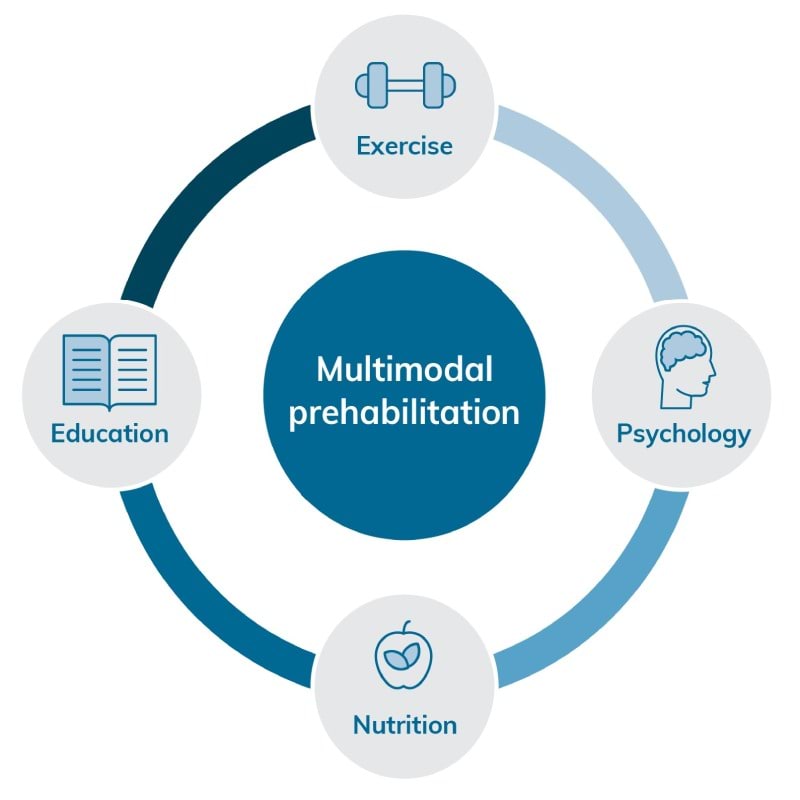
Patient optimisation prior to surgery helps to ensure the best possible outcomes for patients.
Prehabilitation is a process that aims to enhance a patient’s physical and psychological function to support them before, during and after surgery.
Prehabilitation and optimisation of comorbidities pre-surgery can:
- reduce length of stay
- reduce risk of post-operative complications
- enhance recovery post surgery
- improve cardiorespiratory fitness
- improve nutritional status
- encourage the patient to quit smoking and drinking alcohol
- prepare the patient psychologically and emotionally for surgery
- improve surgical outcomes
- improve population health
- improved the patient experience.
The level and type of prehabilitation/pre-surgical care required by the individual patient depends on the surgery risk, patient risk and comorbidities.
Shared decision-making and optimisation programs need to be multimodal to help empower the patient to take control of their perioperative journey. Digitally facilitated prehabilitation is a cost-effective model that can be accessible to a large number of patients, such as via smartphone, tablet or computer. Capitalising on digitally enabled patients who are comfortable with this format for education, resource access and tracking progress can also facilitate self-management abilities.
Updated